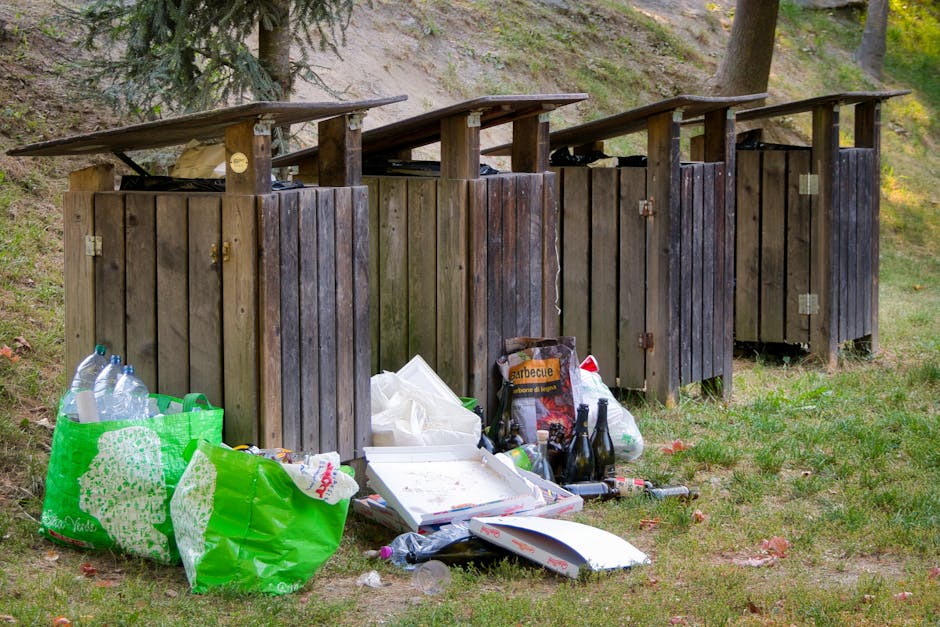
Common problems with weekend rubbish collection in Lambeth
Posted on 23/06/2026
Weekend rubbish collection in Lambeth sounds simple enough on paper. In reality, it can be a bit more complicated than people expect, especially in busy streets, shared blocks, and areas where access is tight or parking is unpredictable. If you are trying to clear waste after a flat move, a party, a renovation, or a tidy-up before Monday, the last thing you want is a missed pickup, a blocked doorway, or a surprise extra charge.
This guide looks closely at the common problems with weekend rubbish collection in Lambeth, why they happen, and what you can do to avoid them. It also explains how the process usually works, when weekend collection makes sense, and how to choose the safest, cleanest, least stressful option. Truth be told, most collection headaches are preventable once you know what to look out for.
If you are also weighing up the wider local picture, you may find it useful to read an overview of local living in Lambeth or this broader look at the borough. They give helpful context if you are new to the area or planning a move.

Why Common problems with weekend rubbish collection in Lambeth matters
Weekend collection matters because weekends are when a lot of waste actually gets produced. Households clear out cupboards, people host gatherings, landlords turn over flats, traders finish market work, and businesses finally get the breathing space to deal with clutter. That all sounds manageable until the practical realities kick in: limited road space, busy footfall, restricted loading windows, and neighbours who are not thrilled about bags sitting outside until late Sunday.
In Lambeth, those issues can feel sharper than in quieter places. Parts of the borough are dense, lively, and constantly moving. Think of a Sunday morning on a side street near a station: delivery vans arriving, people heading out with coffee, bins already full, and someone trying to get a bulky sofa downstairs. It does not take much for a small issue to turn into a bigger one.
That is why the topic is not just about convenience. It is about avoiding waste build-up, keeping shared spaces usable, reducing complaints, and making sure collections happen cleanly and safely. A poor weekend collection can leave rubbish outside far longer than planned, which then creates smell, mess, and sometimes pest issues. Nobody wants that by the front door, especially not after a long Saturday.
There is also a budget angle. Weekend jobs can be more awkward to schedule and sometimes feel more expensive because they need tighter coordination. If you want to understand how pricing is framed before you book anything, it is sensible to review pricing and quotes alongside the collection details. That way, you are not comparing apples with pears.
How Common problems with weekend rubbish collection in Lambeth works
Most weekend rubbish collection follows a straightforward pattern: you identify what needs removing, choose a suitable service, confirm access and timing, and arrange the pickup. The tricky part is that the "simple" bit depends on the site. A ground-floor house with a clear front drive is one thing. A top-floor flat in a terrace with no lift and awkward parking is another story entirely.
In practice, a collection team will usually need to know the waste type, approximate volume, floor level, access route, and whether items are bagged, boxed, or loose. If the job involves heavy items, mixed waste, or builder's debris, the crew may need extra time or a different vehicle setup. That is why a brief description is rarely enough. The more specific you are, the smoother the process usually goes.
Weekend work can also be affected by timing. Some streets are easy at 8 a.m. and frustrating by 11 a.m. because of parking demand or local traffic. A collection booked for the same time as a market shift, school run, or event can go from routine to awkward quite quickly. We have all seen that one van inching along while someone tries to navigate a wheelie bin past it. Not ideal.
For larger or mixed jobs, many people look at broader service pages first, such as the services overview or a relevant disposal page like house clearance in Lambeth, furniture disposal, or garden waste removal. That helps match the job to the right kind of collection from the start.
Key benefits and practical advantages
When weekend rubbish collection is organised well, the benefits are obvious. Less clutter. Less stress. Less waiting around. But there are also a few practical advantages that people sometimes overlook.
- It fits busy weekday schedules. If you work long hours, weekends may be the only realistic time to deal with bulky waste.
- It helps before or after events. Parties, small gatherings, and end-of-week clear-outs often create more rubbish than people expect.
- It reduces disruption for businesses. A Saturday pickup can be easier than trying to manage waste during trading hours.
- It can prevent overflow. If bins are already full, a timely collection stops rubbish from spilling into shared spaces.
- It supports better sorting. When you are not rushing before work, it is easier to separate recyclables, furniture, garden waste, and general rubbish properly.
There is also a mental benefit. Getting rid of waste before Monday can make the whole week feel cleaner and calmer. It is a small thing, maybe, but a tidy space changes the tone of a home or workplace. You notice it when you walk in the door.
If sustainability matters to you, it is worth thinking beyond the immediate pickup and considering how items are handled after collection. The company's recycling and sustainability information can help you judge whether your waste is being managed in a responsible way, rather than simply shifted out of sight.
Who this is for and when it makes sense
Weekend rubbish collection makes sense for quite a wide mix of people, but the reasons differ.
Homeowners and tenants often use it after a clear-out, a move, or a delivery that left packaging everywhere. Landlords and letting agents may need it between tenancies, especially when a flat has been left with furniture, rubbish, or odds and ends. Office managers may need a Saturday pickup after refurb work or a storage clear-out. Traders and small businesses often need fast turnaround so rubbish does not interfere with customers or trading space.
It is also useful for anyone dealing with bulky or awkward items. A broken wardrobe in a stairwell is not fun. Nor is a pile of old bags in a communal hallway because everyone assumed someone else would deal with them. Weekend collection can be the cleanest solution when you need the site back to normal quickly.
If you are comparing a few disposal routes, local reading can help. For example, a practical move-focused piece like flat clearance rubbish removal tips can be helpful if you are dealing with a smaller property, while a market traders guide is more useful for commercial waste in busy footfall areas.
Step-by-step guidance
Here is a practical way to approach weekend rubbish collection without making it harder than it needs to be.
- List everything that needs collecting. Be specific. Chairs, mattresses, black bags, cardboard, renovation offcuts, garden cuttings. The more exact you are, the better.
- Separate waste by type if you can. Mixed waste can be collected, but sorting beforehand may reduce confusion and help with recycling.
- Check access carefully. Is the road narrow? Is there a locked gate? Can the team park close enough? A blocked path can derail the whole job.
- Choose a sensible collection window. Early morning is often calmer than late morning in busy parts of Lambeth.
- Confirm any lifting or carrying challenges. Stairs, heavy furniture, and awkward corners are all worth mentioning up front.
- Ask what cannot be taken. Not every type of waste is handled the same way, so it is worth clarifying in advance.
- Prepare the items before collection time. Bag loose waste, flatten cardboard, and move items away from obstructions where safe to do so.
- Keep pathways clear. It sounds obvious, but it is one of the most common reasons pickups slow down.
A small tip from experience: if you think a job will take ten minutes, allow twenty. That little buffer can save a lot of swearing under your breath when the lift is busy or the parking is gone.
Expert tips for better results
There are a few habits that consistently make weekend collections smoother.
First, treat the booking like a mini project. You do not need a spreadsheet, obviously, but a quick note on item type, quantity, and access conditions makes a real difference. A vague "a bit of rubbish" message is the fastest way to create confusion.
Second, think in terms of movement. Where will the rubbish move from and to? A cluttered hall, a tight staircase, and a parked car outside can create a bottleneck. If you can clear a path before the crew arrives, do it.
Third, choose collection times around local reality. In Lambeth, weekends are busy. Streets near nightlife, transport hubs, or markets can be especially awkward. If you are near a lively stretch, a quieter slot can be worth its weight in gold.
Fourth, separate valuable or reusable items early. Sometimes people book a rubbish pickup for everything, then realise the almost-new chair, lamp, or desk could have been passed on or reused. One less thing to throw away is never a bad thing.
Fifth, ask for clarity on fees and loading conditions. Hidden charges usually come from surprises: more waste than expected, harder access, or extra labour time. For a useful overview of this issue, see how to avoid hidden rubbish collection fees in Lambeth.
Expert summary: The best weekend rubbish collection is the one that is planned around access, volume, and timing, not just around convenience. If those three things are clear, most of the usual problems either shrink or disappear completely.

Common mistakes to avoid
Weekend collections go wrong for surprisingly ordinary reasons. The good news is that most of them are avoidable.
- Leaving booking decisions until the last minute. Saturday slots can disappear quickly, especially during moving season or after major home tidy-ups.
- Underestimating volume. A pile that looks manageable in the morning can grow fast once you start sorting through cupboards and storage spaces.
- Ignoring access issues. Narrow stairs, restricted parking, and locked communal doors matter. A lot.
- Mixing different waste types without checking first. Builders' waste, furniture, and general household rubbish may need different handling.
- Forgetting weather and timing. Rain, wind, and wet cardboard can make collection more awkward than expected. London weather likes a bit of drama.
- Not telling neighbours or building management when needed. In shared buildings, good communication prevents complaints and confusion.
- Putting waste out too early. Bags left on the pavement for hours can attract mess and make the street look untidy.
There is one mistake people make more often than they admit: assuming the crew can "just get around it." Sometimes they can. Sometimes they cannot. A delivery van, a bin lorry, or one stubborn parked car can change the whole shape of the job.
Tools, resources and recommendations
You do not need specialised equipment for most weekend collections, but a few simple tools help.
- Heavy-duty sacks for loose rubbish.
- Moving gloves for grip and hand protection.
- Tape or straps to secure loose items or flatten packaging.
- A torch if you are clearing a dark basement, shed, or side return early in the morning.
- A basic room-by-room checklist so you do not forget hidden clutter.
If you want to compare disposal options before committing, the most useful pages are usually the ones that match the actual job. For instance, office-related clearances are better reviewed through office clearance in Lambeth, while bulky domestic items may sit better under furniture disposal. It sounds obvious once said, but it saves time.
For some readers, the question is not "Can this be collected?" but "What is the cleanest and most responsible way to handle it?" In those cases, the company's recycling and sustainability guidance is worth a look before you book.
Law, compliance, standards and best practice
Waste collection in the UK is shaped by practical compliance as much as by convenience. You do not need to become an expert in regulations to make a sensible booking, but it does help to understand the basics.
First, waste should be handled by a provider that can manage it responsibly and keep a clear paper trail where appropriate. That matters because rubbish is not just "gone" once it leaves your property. It still needs to be sorted, transported, and processed properly.
Second, safe handling matters. Heavy objects, sharp edges, broken glass, and unstable piles all create risk for both residents and crews. If you have items that are difficult to move, flag them early. This is especially important in stair-only buildings or narrow Victorian properties, which Lambeth has plenty of.
Third, if you live in a shared block, local building rules or house arrangements may affect collection timing and access. A little coordination goes a long way. No one enjoys being the reason a communal entrance is blocked on a Sunday morning.
For a broader look at the company's standards around safe handling and service expectations, you can review insurance and safety information. If you want to understand service commitments and conditions, the terms and conditions and about us pages are also useful. Small detail, yes. But the small details are often where good service shows up.
Options, methods, or comparison table
If you are deciding how to deal with weekend waste in Lambeth, it helps to compare the main approaches side by side. The right choice depends on volume, time pressure, and access.
| Option | Best for | Main upside | Main drawback |
|---|---|---|---|
| Self-loading to local disposal route | Very small amounts of rubbish | Simple if you already have transport | Time-consuming, awkward for bulky items |
| Booked weekend rubbish collection | Homes, flats, small businesses, mixed waste | Convenient and fast | Access and timing must be organised well |
| Specialist item removal | Furniture, garden waste, builders' waste, clearances | Matched to the waste type | Needs more accurate planning up front |
| Full property clearance | Moves, end-of-tenancy, office changes | Clears a lot in one visit | Can require more preparation and coordination |
For many Lambeth residents, the second option is the sweet spot: quick enough to fit a weekend, but managed by someone who knows how to deal with access, lifting, and disposal properly. If your job is tied to a move or property handover, you may also find the local property guides useful, especially the guide to buying in Lambeth and the real estate buying guide, because timing and turnover often influence waste planning more than people expect.
Case study or real-world example
Here is a realistic example from the kind of job that causes trouble if it is not thought through properly.
A tenant in a busy Lambeth street finishes moving out on Saturday afternoon. The flat has a disassembled bed frame, three black bags, flattened boxes, a broken office chair, and a few odds and ends from the kitchen. At first glance, it seems like a small job. But the building has a narrow communal stairwell, the front road is full of parked cars, and the weekend footfall is heavy because a nearby area is buzzing with visitors.
What tends to happen in this kind of situation? People underestimate the time needed to bring everything out. They also leave waste in the hallway "just for now," which becomes an obstacle for everyone else. If the pickup window is too late in the day, access gets worse and neighbours get less patient. Then the job feels more stressful than it should.
The better approach is simple: prepare the items the day before, confirm the access route, set a time when the street is calmer, and keep the hallway clear. A collection that would have been messy becomes routine. Nothing magical. Just a bit of planning, really.
That same logic applies to small business clear-outs near busier areas. If you are in a trading area, the guide for Clapham Common rubbish collection and local rates gives a helpful sense of how location and timing can affect practical planning.
Practical checklist
Use this checklist before a weekend rubbish collection in Lambeth:
- Have I listed every item that needs removing?
- Have I separated bulky items from bagged waste?
- Do I know whether the route out is clear?
- Is parking or loading access realistic at the chosen time?
- Have I told anyone else in the building who may be affected?
- Have I checked whether any items need specialist handling?
- Are pathways, stairwells, and entrances clear?
- Have I confirmed pricing, timing, and any likely extra charges?
- Have I set aside items I do not want taken by mistake?
- Is the collection aligned with my wider schedule so I am not rushing?
If you can answer yes to most of those, you are already ahead of the curve.
Conclusion
The common problems with weekend rubbish collection in Lambeth usually come down to a few repeat themes: access, timing, volume, communication, and the mismatch between what looks simple and what is actually simple. Once you understand those pressure points, the whole process becomes much easier to manage.
For most people, the best results come from planning a little earlier than feels necessary, being realistic about what needs moving, and choosing a service that matches the property and the waste type. Weekend work does not have to be chaotic. In fact, with the right setup, it can be the easiest time to get things sorted.
Get a free quote today and see how much you can save.
If you are still weighing up the best route, it can help to explore the broader service and trust pages first, including waste collection in Lambeth and the company's services overview. A small bit of prep now can spare you a lot of hassle later. And that, honestly, is usually worth it.