Brixton rubbish removal guide for market traders
Posted on 29/04/2026
If you trade in Brixton, you already know rubbish has a way of building up fast. A few cardboard boxes from stock deliveries, some food packaging after a busy lunch rush, damaged display materials, perhaps a broken stool or two, and suddenly your pitch looks cluttered before the day is even over. This Brixton rubbish removal guide for market traders is here to make the whole job less stressful, more efficient, and a lot easier to manage in the real world.
Whether you work a regular stall, run a pop-up, or operate across different parts of the market week by week, waste handling is part of the job. Not the glamorous part, obviously. But the bit that keeps your stand tidy, your customers comfortable, and your trade running smoothly. In a busy area like Brixton, where footfall, deliveries, and limited space all collide, a good rubbish removal routine can save time, protect your reputation, and help you stay on the right side of local expectations.
This guide breaks down what market traders need to know: how rubbish removal works, what to prioritise, common mistakes to avoid, and how to choose a sensible, reliable approach. If you also want a broader view of local services and support, you may find the services overview and the company's about us page useful for understanding the wider service approach.

Why Brixton rubbish removal guide for market traders Matters
Market trading is all about momentum. You arrive early, set up quickly, handle customers, restock, tidy, pack down, and do it all again. Waste management gets woven into that rhythm whether you like it or not. And in Brixton, where markets are lively and space can be tight, unmanaged waste can become a real problem very quickly.
Let's face it: rubbish left beside a stall doesn't just look messy. It can attract pests, block walkways, create trip hazards, and make your pitch feel less welcoming. If you sell food or drink, that matters even more. People notice hygiene immediately, even if they never consciously mention it. A clean stall says you care. A cluttered one says you are winging it, which is never ideal.
There is also a practical side that traders sometimes underestimate. The more efficiently you clear waste, the easier your pack-down becomes. That means fewer lost minutes at the end of a long day, fewer arguments over shared bins, and less chance of leaving stock or packaging behind by accident. In market life, small inefficiencies become annoying very quickly. You know how it goes.
Brixton also has its own pace and character. Busy streets, mixed use buildings, tight service access, and a steady flow of people all influence how rubbish should be handled. A sensible removal plan is not just about lifting bags away. It is about keeping your business moving without creating friction for neighbours, customers, or nearby traders.
For traders who want a broader view of the local area and its practical day-to-day realities, the pieces on Lambeth's neighbourhood character and the local living guide offer useful background. They are not about waste directly, but they do help explain why practical services need to fit Brixton's rhythm rather than fight against it.
How Brixton rubbish removal guide for market traders Works
In simple terms, rubbish removal for market traders usually means collecting, sorting, loading, and responsibly disposing of waste generated during trading. That might include cardboard, plastic wrapping, mixed retail waste, damaged stock, food waste, old fixtures, or larger items like shelving and display units.
The process can look different depending on your setup. Some traders manage everything themselves with containers and scheduled clear-outs. Others rely on a local waste collection service to remove waste on set days or after busy trading periods. If you handle bulky items, mixed loads, or regular accumulation, a professional collection can be the most straightforward option.
A good removal process normally follows a few common stages:
- Waste is separated into types where possible, such as cardboard, recyclables, food waste, and general rubbish.
- Items are bagged, boxed, stacked, or bundled safely so they can be handled quickly.
- The waste is moved from the stall, storage space, or back-of-house area to the collection point.
- It is loaded into the appropriate vehicle or container and removed from site.
- Recoverable material is sorted for recycling or reuse where suitable.
For market traders, timing matters just as much as method. You may need collection before opening, between trading days, or immediately after pack-down. If you are moving bulky items, a service that handles broader waste collection in Lambeth can be especially useful because it keeps the process simple rather than forcing you to arrange multiple suppliers.
Sometimes the biggest win is just having a predictable routine. Friday afternoon, for example, can get a bit chaotic in a busy market when deliveries, waste, and closing tasks collide. A regular collection window can take a lot of pressure off.
Key Benefits and Practical Advantages
A proper rubbish removal plan does more than clear space. It supports the way your business feels, works, and presents itself to the world. That matters in a market setting where customers judge a lot in seconds.
1. A cleaner, more professional stall
Customers respond to what they see. A tidy pitch suggests freshness, care, and competence. Even if you sell something completely unrelated to cleanliness, people still notice clutter. A clean trading area can quietly improve trust.
2. Faster pack-down and less end-of-day stress
When rubbish has a clear place to go, pack-down becomes simpler. No last-minute juggling. No half-open bags sitting around while you try to count cash, lock up, and answer a final customer question. It sounds minor, but these small improvements add up fast.
3. Better use of limited space
Markets rarely give traders loads of room to spare. If you have to store packaging, empty boxes, or broken items on site, space gets eaten quickly. Regular removal helps you use every square metre more efficiently.
4. Less risk of pest issues and unpleasant smells
This is especially relevant for food stalls, florists, and traders handling organic material. Waste left too long can smell, leak, or attract pests. Nobody wants that near their customers, and truth be told, it can become embarrassing before it becomes obvious.
5. More dependable compliance habits
Even when formal rules vary by waste type and location, good habits reduce the chance of accidental misuse of bins, fly-tipping, or unsafe storage. A routine builds consistency, and consistency is what protects you over time.
If sustainability matters to your business, there is another clear benefit: better sorting usually means better recycling outcomes. The page on recycling and sustainability is worth a look if you want to understand how a more responsible waste approach can fit into day-to-day trading without making life complicated.
Expert summary: For Brixton traders, the best rubbish removal setup is usually the one that is simple, regular, and flexible enough to handle busy trading days without leaving waste behind.
Who This Is For and When It Makes Sense
This guide is relevant to a wide mix of Brixton traders. You do not need to run a huge operation for waste removal to matter. In fact, smaller businesses often feel the pinch more because they have less storage space and less time to deal with rubbish manually.
It is especially useful if you are:
- a food trader dealing with packaging, food waste, and disposable service items
- a fashion, craft, or gifts stall producing cardboard, wrapping, tags, and display waste
- a pop-up trader who needs waste removed quickly after short trading runs
- a market seller storing stock in a compact back area
- a trader upgrading fixtures, shelving, or old promotional materials
- someone managing a shared market pitch with limited bin access
The guide also makes sense if your rubbish starts to interfere with customer flow, neighbours, or closing time. That is usually the point where traders realise they need a more structured approach. Not a dramatic overhaul, just a better system.
You may also need a specialist approach if your waste is bulky rather than bagged. Old table units, broken display boards, damaged furniture, and worn-out storage pieces often need a separate collection. In those cases, a service such as furniture disposal in Lambeth can be more suitable than trying to squeeze everything into standard bins.
Step-by-Step Guidance
If you want a straightforward way to manage market waste, start here. You do not need to make it overly complicated. In fact, the best systems are usually the ones people can stick to on a tired Tuesday afternoon, not just on a perfect day when everything runs on time.
Step 1: identify the waste you actually produce
List the types of rubbish your stall creates over a normal week. Include packaging, food waste, broken items, old stock, cleaning materials, and anything bulky. Once you can see the pattern, you can plan more accurately.
Step 2: separate waste where possible
Cardboard, clean plastics, mixed waste, and food waste should not all be thrown together if you can avoid it. Sorting at source makes removal easier and often improves recycling. It also stops one messy bag from contaminating a larger batch of recyclable material.
Step 3: choose storage that suits your pitch
Use sturdy bins, stackable crates, sealed bags, or lidded containers depending on what you sell. If you trade in food, sealed containers are a lot more practical. For dry goods, collapsing cardboard at the right time can save space and keep the area manageable.
Step 4: set a removal schedule
Decide when waste should be cleared. Daily, after every market session, or on fixed collection days are all common approaches. The right answer depends on volume, smell, and available storage. For many traders, a regular weekly pattern plus a same-day clear-out works well.
Step 5: use a collection service for awkward or bulky waste
Some items are just too awkward to handle through ordinary bins. Old shelving, display furniture, broken stockroom items, or larger clear-outs are better handled by a specialist. If your operation sits alongside an office, storage room, or shared workspace, the office clearance service may also be relevant when you are clearing back-of-house areas.
Step 6: keep records of what goes out
Even a basic log can help. Note what types of waste leave your site, when collections happen, and which items cause recurring issues. This is especially useful if you want to improve efficiency or request a more suitable service later.
Step 7: review the system after busy periods
After peak trading days, ask yourself: did waste pile up? Was there enough space? Did collection timing suit the stall? A quick review helps you refine the process before small issues become habits.
Expert Tips for Better Results
There is a lot to be said for a simple system done consistently. But a few extra habits can make a noticeable difference, especially if your stall gets busy or you trade with limited support.
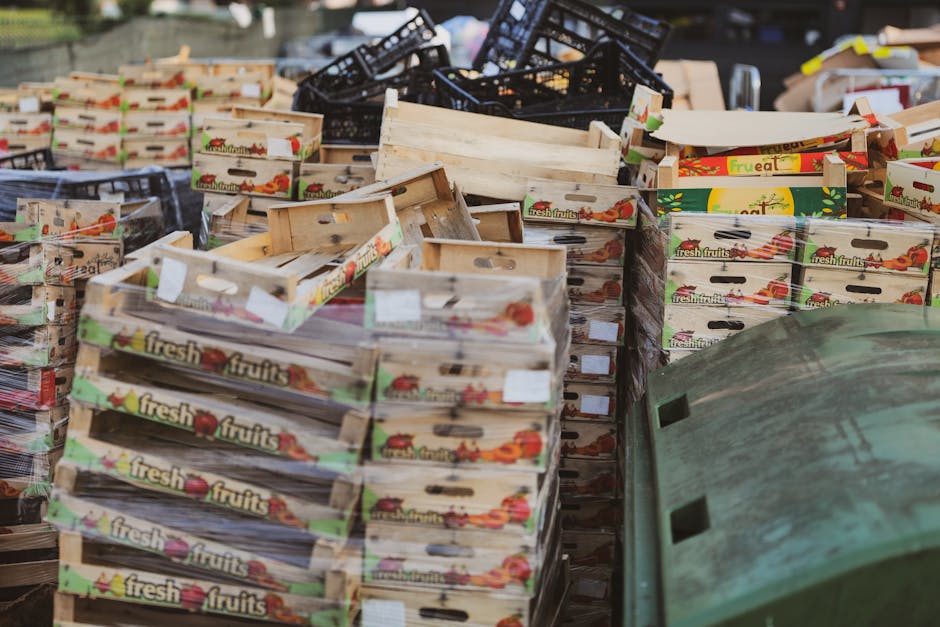
- Flatten cardboard early. Do not wait until boxes have piled up like a tiny fortress behind the stall.
- Keep dry waste dry. Rain turns recyclable material into heavier, messier rubbish, which makes removal more awkward.
- Use colour-coded containers if possible. They make sorting easier for staff and help new team members get it right first time.
- Separate sharp or broken materials immediately. Broken glass, metal strips, and damaged fittings should never be left loose.
- Time collections around your quietest windows. If your stall is busiest from lunch onwards, an early slot may save a headache.
- Train everyone involved. If more than one person works the stall, waste handling needs to be understood by all of them. Otherwise the system falls apart on a busy day, usually when you need it most.
One useful habit is to keep a small "end of day" bag or crate specifically for items that never quite fit neatly elsewhere. Not glamorous, but effective. A bit of discipline here saves a lot of shuffling later.
If your trading setup involves wider property or business changes, you may also find the company's pricing and quotes page helpful when comparing the likely cost of different collection options. Clear pricing is especially useful when you are trying to budget across stock, rent, staff, and waste removal all at once.
Common Mistakes to Avoid
Most rubbish problems for market traders come from avoidable habits rather than big disasters. The tricky part is that the mistakes feel harmless right up until they are not.
Mixing all waste together
This is probably the most common issue. Once recyclables, food waste, and general waste are mixed into one container, the whole lot becomes harder to manage. Sorting gets more expensive and less efficient.
Leaving waste until the end of the week
A build-up rarely helps. It usually creates smell, clutter, and stress. Small clearances done regularly almost always work better than one huge tidy-up when you are already exhausted.
Ignoring bulky items
Broken chairs, cracked crates, display units, and old fittings tend to get parked "for now". Then suddenly they are in the way for three weeks. If something is not being used, it needs a decision, not a corner.
Using the wrong collection method
Standard bins are fine for some waste. They are useless for awkward, heavy, or large items. Matching the method to the material matters, otherwise you just create extra work.
Forgetting about safety
Sharp edges, slippery spills, and stacked bags can all cause problems. A safe route through the stall should still feel easy when you are tired and packing down in a rush.
Not planning for bad weather
Rain changes everything. Wet cardboard, muddy floors, and damp packaging are all harder to manage. It sounds obvious, but on a busy morning it is easy to miss.
One more thing. Don't assume someone else will sort it out. In a shared market environment, responsibility can get fuzzy very quickly. Better to agree roles early than argue later over a bag nobody remembers moving.
Tools, Resources and Recommendations
Good waste management is easier when you have the right tools nearby. You do not need a full warehouse setup. Just sensible basics that suit your stall.
| Tool or resource | Why it helps | Best for |
|---|---|---|
| Heavy-duty bin bags | Handles mixed rubbish without tearing too easily | General market waste |
| Stackable crates | Keeps packaging and loose items organised | Retail and dry goods traders |
| Lidded containers | Helps control smell and stop spillages | Food and drink stalls |
| Cardboard flattening tool or safe cutter | Reduces volume and saves space | High-delivery businesses |
| Gloves and basic PPE | Improves safety while handling sharp or dirty waste | All traders |
| Collection schedule checklist | Keeps the system predictable | Busy or shared sites |
| Professional waste service | Takes care of awkward, bulky, or frequent clearances | Growing traders and mixed waste loads |
For traders who want a more complete service relationship, the builders waste disposal in Lambeth page can be useful if your stall fit-out, partitioning, or storage refresh produces heavier debris. It is a different category of waste, but the underlying need is the same: keep the site clean and safe.
It is also sensible to understand how the provider works before booking. Their insurance and safety information, along with the terms and conditions, can help you make a more informed decision. That might sound dry, but it matters. A lot.
Law, Compliance, Standards, or Best Practice
Waste handling in the UK sits within a legal and practical framework that traders should take seriously. I'll keep this simple, because this topic can get tangled quickly.
As a business, you are generally expected to manage your waste responsibly, use an appropriate carrier or collection route, and avoid anything that could amount to fly-tipping or unsafe storage. The exact requirements can depend on your waste type, the site you operate from, and local arrangements. If you are unsure, it is worth checking the current guidance relevant to your business activity rather than guessing.
For market traders, a few best-practice points stand out:
- Use authorised collection arrangements rather than informal disposal methods.
- Keep waste secure so it does not blow away or spill into public space.
- Separate recyclable materials where practical and safe.
- Store waste in a way that does not create hazards for staff, customers, or nearby traders.
- Keep an eye on food hygiene expectations if you sell consumables.
If your business also has office elements, storage rooms, or customer-facing units, a more structured clear-out may be needed from time to time. The general standards around safe handling and responsible disposal still apply. That is where a service like house clearance in Lambeth is not directly a trading solution, but it can still be relevant for mixed-use premises or when you are clearing surplus items from shared spaces.
And yes, paperwork matters more than people think. If a provider gives you clear information, that is usually a good sign. If not, tread carefully.
Options, Methods, or Comparison Table
There is no single right way to deal with market waste. The best option depends on volume, waste type, budget, and how much time you want to spend on it yourself. Here is a simple comparison.
| Method | Best for | Advantages | Limitations |
|---|---|---|---|
| Self-managed bin disposal | Low-volume traders with simple waste streams | Low cost, straightforward | Time-consuming, limited capacity, not ideal for bulky waste |
| Shared market bins | Markets with central waste arrangements | Convenient, familiar, easy to coordinate | Can fill up quickly, less control over sorting |
| Scheduled local collection | Regular traders with predictable waste output | Reliable, less stress, cleaner site | Needs planning and coordination |
| One-off bulky waste removal | Stalls upgrading fixtures or clearing old stock | Fast clearance of awkward items | May not suit regular ongoing waste |
For most Brixton traders, a hybrid approach works best: manage day-to-day waste on site, then use a professional collection for bulkier items, overflow, or periodic resets. That balance keeps things practical without overcomplicating the operation. Nice and simple, really.
Case Study or Real-World Example
Here is a realistic example based on the sort of situation many market traders face.
A small Brixton trader selling homeware and gift items starts the week with clean stock, but by Saturday the pitch is crowded with flattened packaging, damaged display materials, wrapping paper, and a few broken wooden props. The trader is also storing spare stock under the table, which makes pack-down slower every day. By the end of the month, the stall feels cramped and chaotic.
Instead of waiting for one huge end-of-month tidy-up, the trader changes the routine. Cardboard is flattened immediately after unpacking. Reusable crates are used for stock transport. Anything broken is separated straight away. A weekly removal slot is booked for the heavier waste, and the trader clears display items that are no longer useful rather than storing them "just in case".
The result? Less clutter, faster closing, and fewer awkward moments when customers are nearby. Nothing dramatic. Just a calmer, more workable stall. That is often what good rubbish removal really buys you: breathing room.
If you are also reviewing your business premises or trading base around Brixton, the local property guidance in this Lambeth buying guide and the more detailed real estate guide can help you think more clearly about storage, access, and operational space. Those decisions affect waste handling more than people expect.
Practical Checklist
Use this checklist before you finish a trading week or prepare for a larger clearance.
- Have I separated recyclable waste from general rubbish?
- Are cardboard boxes flattened and tied or stacked neatly?
- Is food waste sealed and stored safely?
- Have I identified any bulky items that need specialist removal?
- Is there enough space left behind the stall for safe movement?
- Do staff know where waste should go during busy periods?
- Is the collection timing aligned with opening and closing hours?
- Have I checked whether any items need a different disposal route?
- Are bins, crates, and bags in good condition?
- Would a cleaner routine save time next week?
Quick takeaway: if waste is taking more than a few minutes to manage at the end of each trading day, the system probably needs tightening up. That is usually where a better removal plan pays for itself, quietly and without fuss.
Conclusion
For market traders in Brixton, rubbish removal is not a side issue. It is part of the trading environment itself. The better you manage it, the smoother your day feels, the better your pitch looks, and the less likely you are to run into avoidable mess, delay, or pressure.
The most effective approach is usually simple: sort waste early, remove it regularly, use the right collection method for the right type of rubbish, and keep safety in mind. Nothing flashy. Just a solid system that works on busy days as well as quiet ones.
If you are choosing between doing it all yourself or bringing in support, think about time, space, waste volume, and how much stress you want at closing time. Sometimes the smart move is not the cheapest-looking one on paper, but the one that keeps your business running smoothly week after week.
Get a free quote today and see how much you can save.
And if you are still weighing up the right approach, that is fair enough. Good waste management is one of those quiet business decisions that pays you back in calm, cleanliness, and a better day on the stall. That counts for a lot.
 Tipper Van - Rubbish Disposal and Waste Collection Prices in Lambeth, SW9
 Luton Van - Rubbish Disposal and Waste Collection Prices in Lambeth, SW9


